“All pretext of ‘business as usual’ in the target shooting sport was abandoned for the duration of the War by the Board of Directors and Executive Committee of the National Rifle Association in their 71st annual meeting.”
—The American Rifleman, March 1942
In February of 1942, the NRA Executive Committee “moved to designate no tournaments as ‘Official Regional’ or ‘National Championship’” during that year. This decision, coupled with the reduction of National Board activity during the war, proved to be just the first in a series of events that led to a tumultuous time in National Match history—a time that included the transformation of the competition’s most visible landmark at the time into an active war facility that the War Department leased from Ohio for one dollar a year.
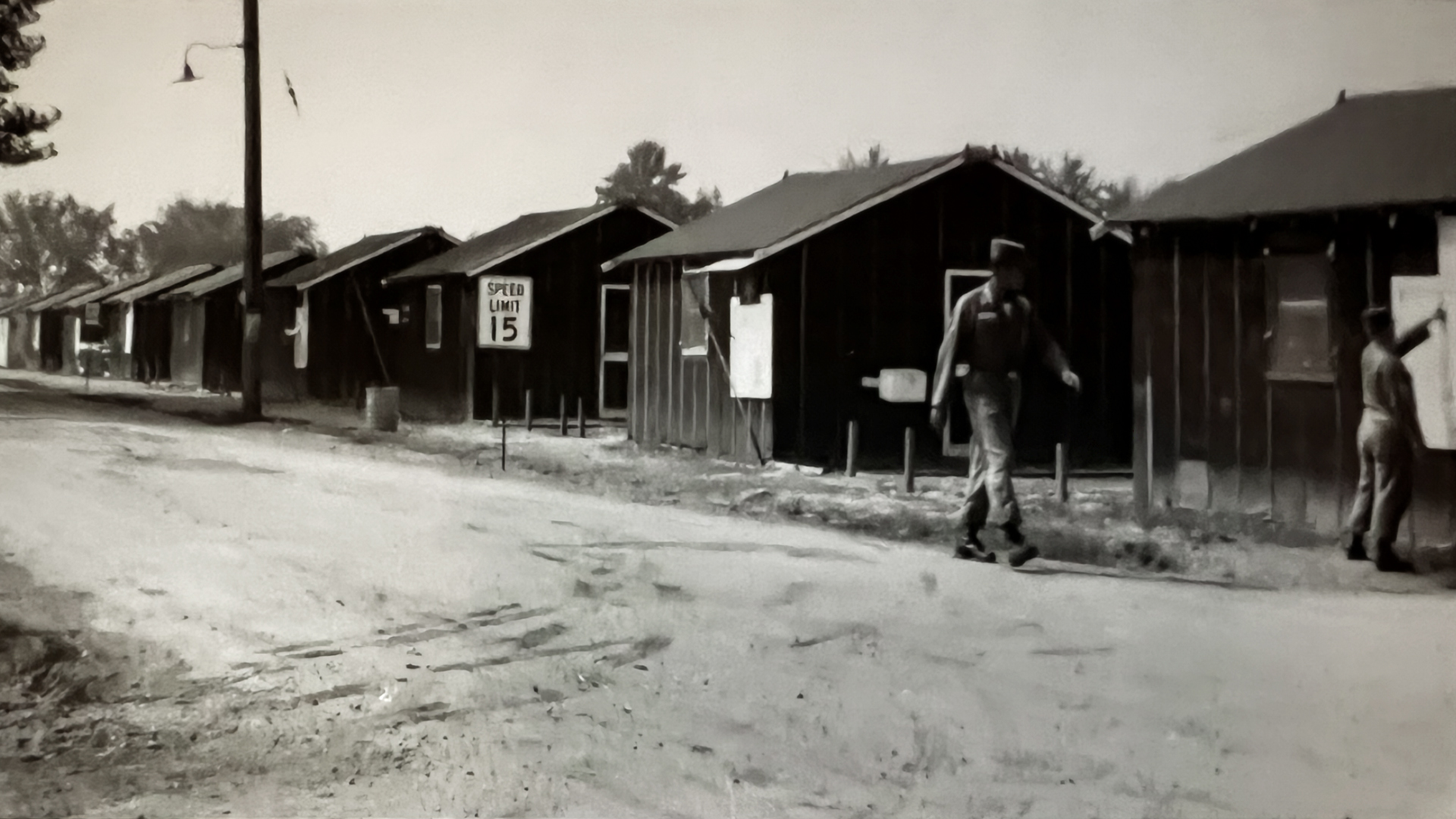
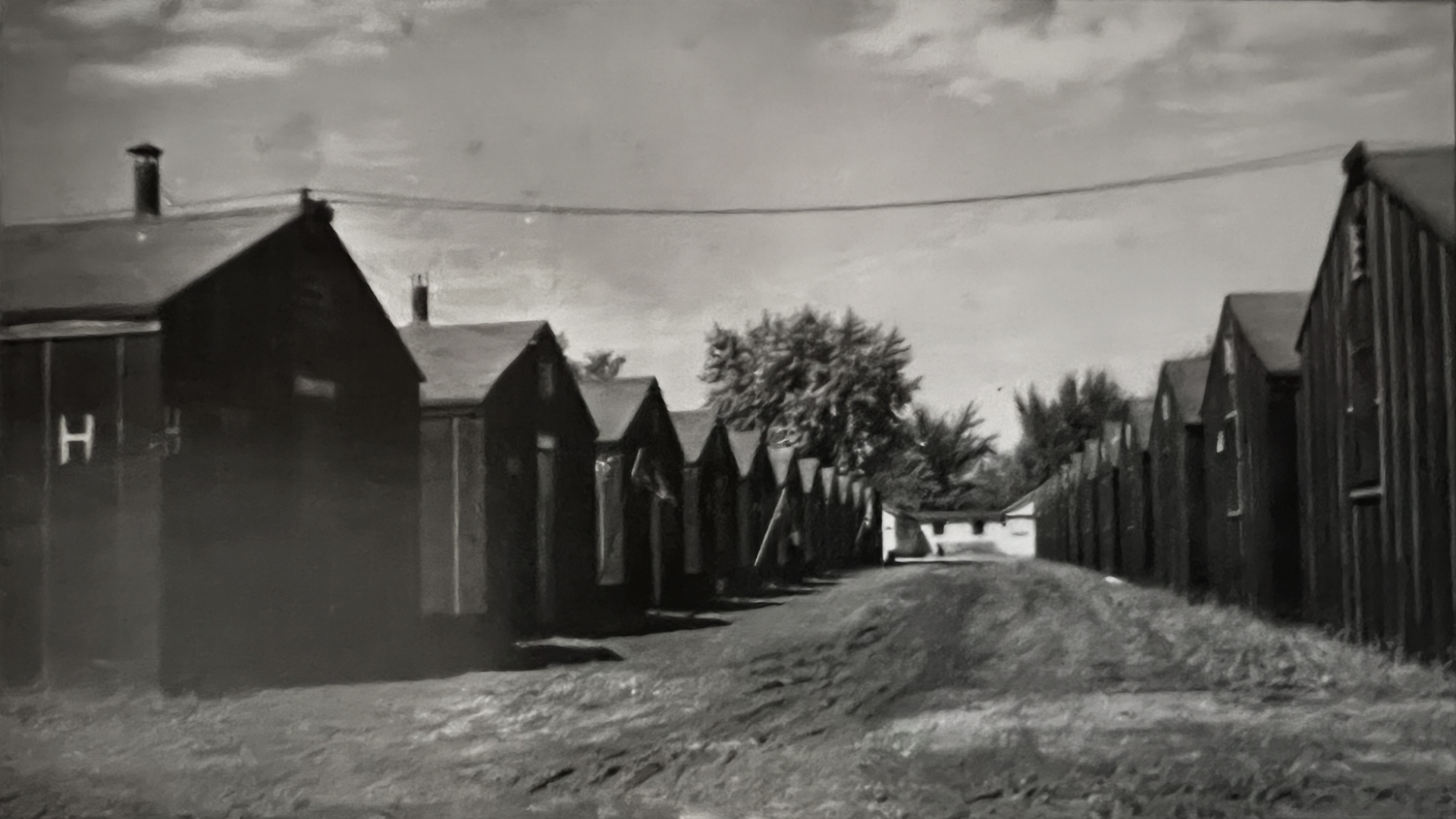
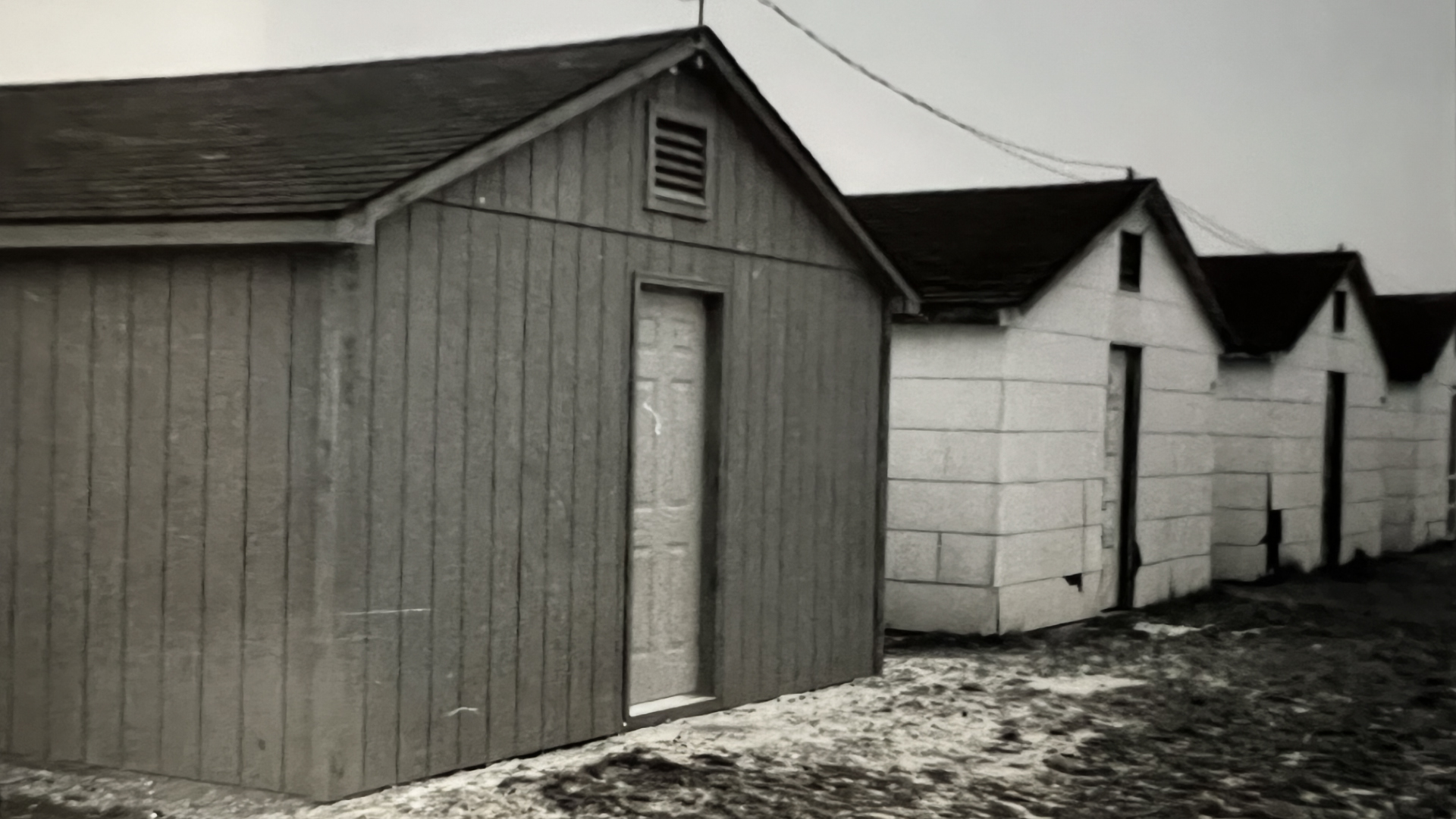
During World War II, Camp Perry served in a number of capacities—reception center for recruits, Ordnance Unit Training Center and prisoner of war (POW) camp. It was October of 1943 when Camp Perry accepted its first prisoners and by then, approximately 2,000 tar-paper roofed huts were in place to receive the Italian contingent, followed the next year by German and Austrian POWs who arrived within weeks of the D-Day landings in Normandy. When the war ended, the process of transporting prisoners out of Camp Perry lasted from August 1945 until the end of March 1946, and it was not until the following March before the facility was officially returned to the state of Ohio.
The business of the National Board was addressed in War Department Circular 279 dated September 15, 1945, whereupon the organization was assigned to the Office of the Under Secretary of War. During the war, the Board was under the jurisdiction of the Requirements Section of the Army Ground Forces and its operations were curtailed. The circular basically authorized, effective October 31 of the same year, the return to normal of all National Board activities.
Another post-war action included the DCM’s resumption in December 1945 of its surplus program where 1903 and MI917 rifles were made available for issue. Less than a year later, however, the overwhelming popularity of the program forced the War Department to discontinue the program. As reported in the November 1946 issue of the NRA’s Tournament News, “This ruling comes as the result of the unprecedented number of purchase orders which the DCM has received; and is made so that the DCM can fill those orders now on fetch.” (Note: NRA’s Tournament News was the predecessor publication to Shooting Sports USA.)
“This year there is no Perry, but three generations of the Men of Perry are fighting their country’s fight … At Perry, out of the driving rain, the shivering nights, the boiling sun, the disappointing defeats, and the unexpected victories was distilled a spirit. It was a spirit that made leaders, each in his own walk of life … This spirit made the Men of Perry. It will bring them together again when the war is ended. Until then, ye Men of Perry, good hunting and good luck!”
—C.B. Lister editorial in The American Rifleman, September 1943