Why are some shooters so good? There must be very real reasons why the same people seem to win almost every championship imaginable. Could it be magic? Maybe, but generally to reach the top you must determine if you want to be a top shooter in your discipline, or at least your classification. Many folks do not want to top off, they just enjoy shooting at a local match or even a national championship—and there is nothing wrong with that. But if one wants a chance at winning their class or the entire match more often, or just desire to get better—they need to adjust their thinking and work to do so.
First, let's dispel a myth—natural ability does not exist. Okay, if you weighed 18 pounds at birth, now weigh 400 pounds, and you can run a 7-minute mile you may have some natural ability to become a sumo wrestler. But saying natural ability applies in sports such as golf, billiards or for our purposes here, shooting—is just an excuse used by bitter losers.
The Basics
There are no secrets of good shooting. Yes, good equipment and good ammunition matter—but only if utilized by those who train and work hard, otherwise not much, if any help at all. Look, if you are a hack weekend golfer, buying the best golf clubs money can buy will not get you as good as the worst player in the PGA, or even your club pro.
What are some basics we can apply to get good or at least better? There are many NRA marksmanship publications available to learn the basics. For example the offhand basics between smallbore rifle, any silhouette rifle and the offhand portion of the National Match Course are nearly identical, save for the guns and gear. Magic begins for those who read, heed, learn, apply, practice and perfect the basics of marksmanship for every shot but that takes dedication and work to make happen and since most of us are too lazy, busy or unmotivated to do so—we get beat.
Top USPSA shooters fire 90,000 to 150,000 practice rounds every year coupled with hundreds of hours of dry firing and practicing, draw, movement and reload drills—they wear out guns just dry firing! A top SASS shooter will burn 100 pounds of powder practicing in one season. Was Jerry Miculek born fast or did the over 4 million rounds he has fired in the last dozen years help? Did Olympian, multiple world record holder and multi-discipline national champion Lones Wigger get lucky or was 30 years of intense near full time training and competition a factor. Is Olympian skeet shooter Kim Rhode a natural, or did years of firing 2000-3500 rounds of 12 gauge ammo weekly help? Will we mere mortals ever get this good? Good grief no!
Reaching the Top
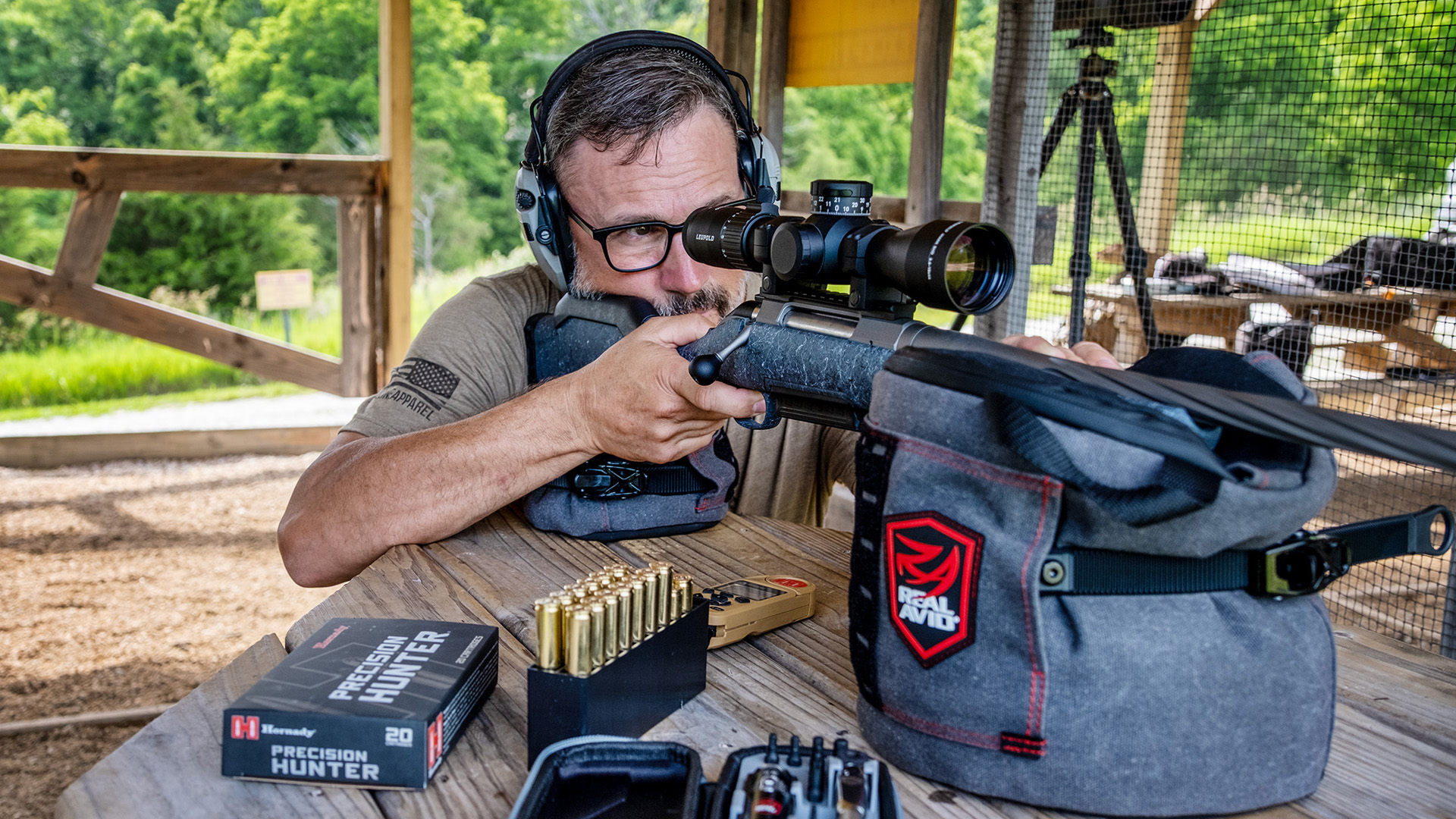
But to get at the top or near the top of your particular game or be competitive in your classification first learn and practice the basics of good marksmanship. Dry fire all you can to perfect each shot by applying ALL the basics of good marksmanship. If you effectively dry fire ten times the number of live fire shots in your discipline's match just a couple of times a week at home, you will develop critical muscle tone, muscle memory and a huge stamina and mental advantage over those who don't—and most don't because dry firing isn't fun, but the winning is.
Now comes live fire practice. Live fire validates quality dry fire practice not the other way around. Live fire drills or practice should be carried out deliberately or it is a waste of ammunition and can quickly cause deterioration of the basics of good marksmanship. Practice in all kinds of weather, even wind. After all, will all your competitions be in calm conditions? If you practice in all types of weather within reason of course, you will have a mental and practical advantage over those who do not. While they are cursing the conditions, you can take them apart.
All top shooters have access to ranges almost anytime they want. Many of the top competitors have their own ranges. If you do not have easy access to a range in your area to practice your particular discipline you are at a huge disadvantage to those who do. So what to do? Your partial fallback is quality dry fire practice but the bottom line is the top shots both dry fire and live fire practice a lot. Some may say they don't to throw you off, but they do because top level marksmanship is a very precise and quickly perishable skill.
Conclusion
Competition matters. To improve in competition, you must compete. All the practice (if you do) in the world goes south when match pressure causes knee high winds to strike and shake you and if it weren’t for gravity your bullets would not even hit planet Earth. Been there done that, not sure some of mine have landed yet. This is when mental conditioning comes in to play coupled with your quality dry and live fire practice. The truth is you must shoot in competition to get good in competition.
Finally, do not be shy, seek out top shooters at your local and larger matches and ask how and why they do what they do. They won't mind telling you-they know they will still beat you, but your learning curve will go up quickly. Ignorance is not bliss when it comes to any type of competition or skill. Ask questions!
To summarize: Try to stay reasonably in shape for your age/condition. Learn and diligently apply the basics of good marksmanship. Properly dry fire your sport—a lot. Carefully practice live fire when you can and compete all you can. Great marksmanship is not rocket science or magic and the secret really is, the more you train, drill, practice, and compete, the luckier you will get!
About the Author
Jim Shults is an NRA Benefactor Member and strong Second Amendment activist who competed in several shooting disciplines from 1978-1989, setting various state and some national records and became a Distinguished Rifleman in three straight weeks. He moved to an area where there is little or no competition in his disciplines and as a result has competed in only 12 matches over the last 25 years, but emphasizes the basics and hard work still apply if one wants to be competitive or at least a better shot.
Most Popular