MOA Essentials For Long-Range Shooters

by
posted on January 15, 2020
** When you buy products through the links on our site, we may earn a commission that supports NRA's mission to protect, preserve and defend the Second Amendment. **
moa-tips1.jpg

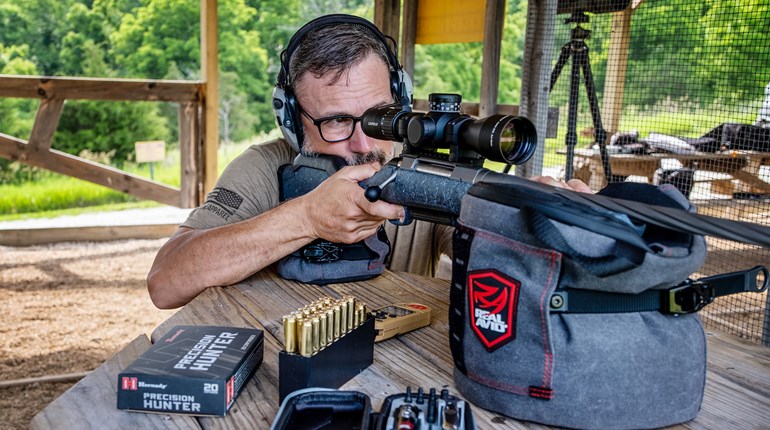
Over the past few years I’ve received this request a few times, the gist of which is the following.

“I’ve been shooting 100 yards and I wanted to try 500 yards. I looked up the (whichever-manual) drift and drop charts for my load and bullet and saw that there was an X-inch drop from 100 to 500. I adjusted for that and I am way over the top of the target. What am I doing wrong?”

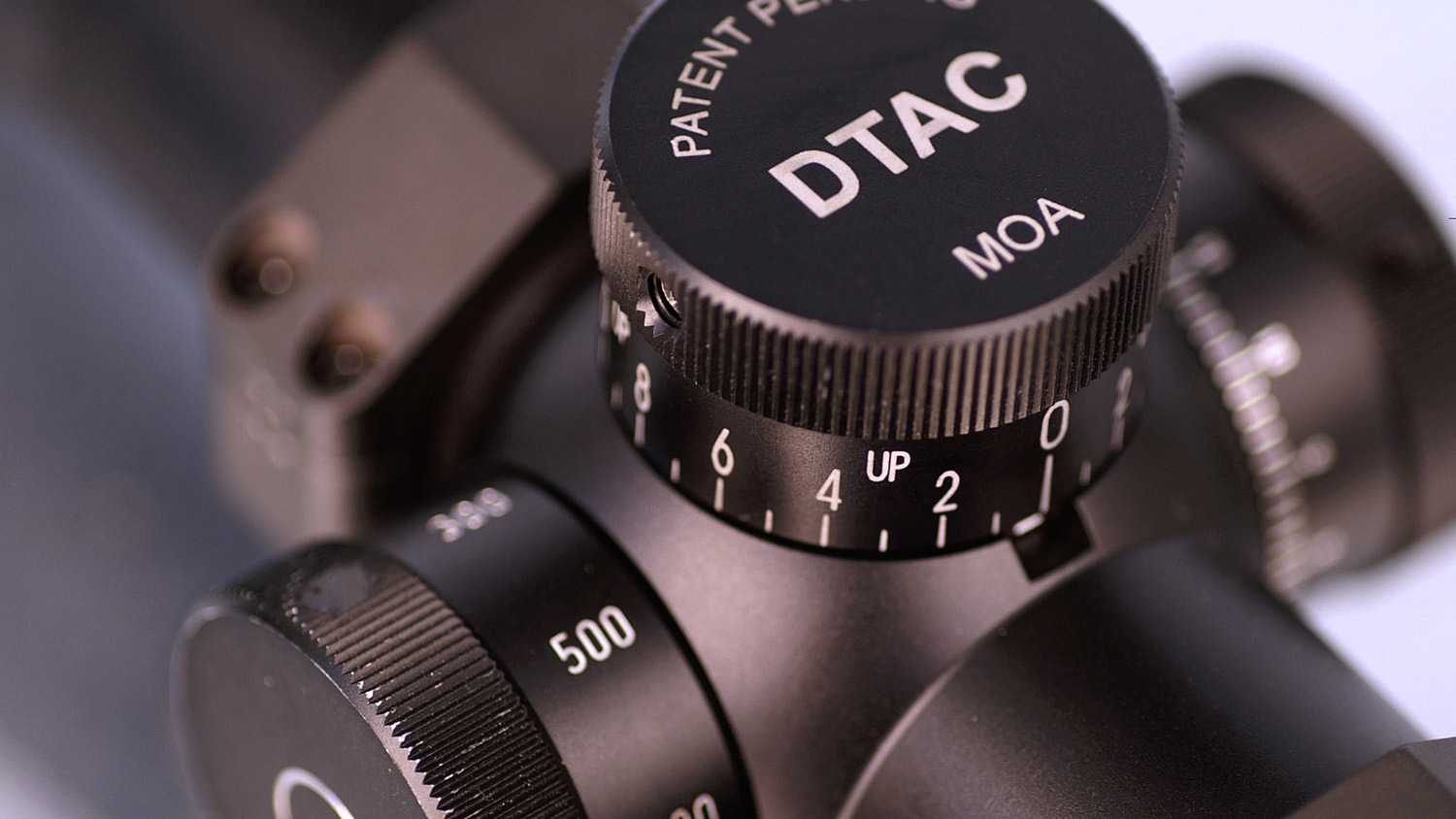
You need to think MOA (Minutes of Angle) and not inches. MOA is an angular measurement. It’s 1/60th of 1 degree (360 degrees in a circle). Thus, 1 MOA spreads about 1 inch per 100 yards (it’s precisely 1.047 inches. Since it’s an angular measurement and not an empirical one, 1 MOA is a different size at different distances. Multiply or divide to get the right answer for your distance.

For example, 1 MOA at 100 yards is 1 inch, so at 400 yards 1 MOA is 4 inches. What matters is getting the come-ups (elevation adjustment from one distance to another) in MOA. Or, if the chart is in inches, then divide by the distance multiple and apply that to the sight. If there is a 20-inch drop from 100 to 400, the 400 distance multiple is 4 so divide the 20 inches by 4, get 5, and that’s how many minutes of adjustment to put on the sight—and then put on the elevation in MOA. If it’s a “quarter-minute” sight (4 clicks per 1 MOA movement) then it’s 20 clicks. That also means using the same 400-yard point, one click on the sight at the firing line results in 1 inches movement on target. So, divide or multiply by the distance multiple depending on what you’re needing to know.


Read more: Making Sense Of MOA
Latest

USPSA Cultureandhistory 3


Inside USPSA: The Sport and Community

Jake Martens traces USPSA from its 1976 founding principles to today, exploring what draws competitors to practical shooting and why volunteering sustains the sport.

Inside The Making Of Winchester’s Supreme Long Range Ammo

New for 2026, Winchester’s Supreme Long Range ammunition pairs the in-house BC Max bullet with match-grade components for extreme-distance accuracy and terminal performance.

Smith & Wesson’s America 250 Model 1854 Honors 1776 and Its Own Origin Story

Smith & Wesson commemorates the semiquincentennial with America 250 Model 1854 lever actions in .44 Magnum and .45-70 Government, engraved and suppressor-ready.

New: Swarovski Optik AT Endura 21-65X 75 mm Spotting Scope

Swarovski Optik’s new AT Endura 21-65X 75 mm spotting scope pairs a 75 mm objective lens with a 53.3-ounce build at a $2,899 price.

Bulletproofing Stages: A USPSA Range Officer’s Guide to Squad Management

Jay Worden explains how Range Officers can run a USPSA squad efficiently, covering roll call, stage briefings, scoring procedures and fair enforcement of safety rules.

Daisy Marks America’s 250th With Limited-Edition Red Ryders

Daisy commemorates America’s 250th anniversary with Liberty and Freedom Red Ryder carbines, 250 apiece, plus a revolver limited to 1,776 units.

Interests


Get the best of Shooting Sports USA delivered to your inbox.